If you own a character home in Orange, you already know it is not just another listing. Buyers are often drawn to these homes for their architecture, original details, and sense of place, but they also tend to ask more questions about condition, permits, and historic rules. When you understand what makes your home special and what buyers need to feel confident, you can position it more effectively before it hits the market. Let’s dive in.
Why Orange character homes stand out
Orange has a unique character-home market because it is shaped by recognized preservation areas, not just by the age of a house. According to the City of Orange Old Towne overview, Old Towne Orange contains the largest Nationally Registered Historic District in California, with buildings dating back to the 1880s and a wide range of architectural styles.
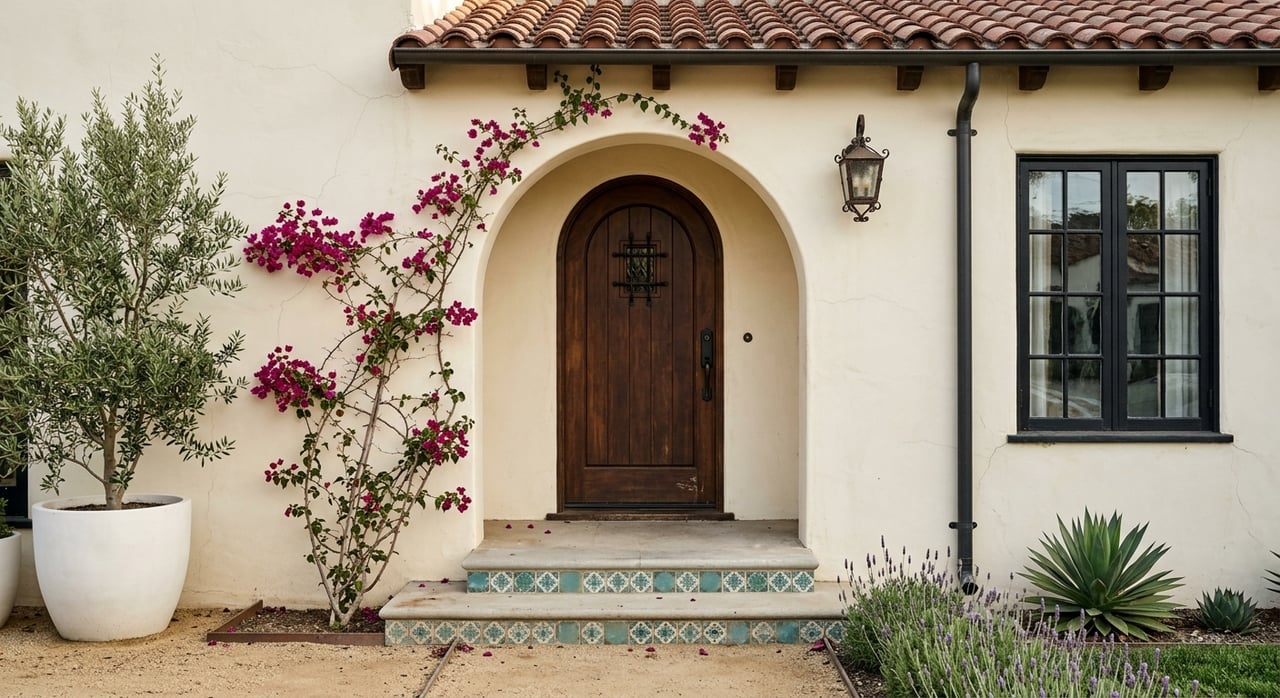
That variety matters when you sell. In Orange, your buyer may be looking for a Victorian-era home, a Craftsman, a bungalow, a Classical Revival property, or a Mediterranean Revival house. The city also has a distinct mid-century preservation story through the Eichler historic district overlay, which covers the largest concentration of Eichler homes in Southern California and the only Eichler examples in Orange County.
This means Orange does not have one single character-home buyer. Some buyers are looking for original woodwork, porches, and period charm, while others want postwar modern design, clean lines, and a strong architectural identity. Your selling strategy should reflect the type of home you have and the audience most likely to value it.
Know your district status first
Before you market your home, confirm exactly how the property is categorized. One of the first buyer questions is often whether the home is in Old Towne Orange, an Eichler district, or another recognized resource area.
The city's preservation resources page is a smart place to start. It includes parcel-based maps, district boundaries, survey forms, and information about historic resources. The city notes that Preservation Online reflects its 2010 Historic Resources Inventory, so it is useful for research, but it is still wise to verify details with current city guidance if district status could affect your sale.
This step helps you avoid vague listing language and gives buyers more confidence. It also helps your agent describe the home accurately, especially if there are design standards, overlays, or recorded incentives tied to the property.
Historic rules can shape your sale
If your home is in Old Towne Orange, the Historic Preservation Design Standards apply to all properties in the district. Most exterior changes require some level of review. Some items can go through Minor Design Review, while larger changes may need Design Review Committee approval.
For sellers, this matters because buyers often want to know what has been changed and whether the work was reviewed properly. The city lists common Minor Design Review items such as window and door repair, re-roofing, solar panels, fences and walls, hardscape, siding repair, removal of non-historic features, some patio covers, and mechanical equipment. Larger changes like additions, demolition, relocation, roofline alterations, and new structures over 120 square feet may face a higher level of review.
This does not mean a sale becomes harder. It means documentation becomes more important. If you have records showing what was approved, repaired, restored, or updated, you can answer questions quickly and reduce uncertainty.
What buyers may notice right away
Orange is clear about certain features that help preserve neighborhood character. In Old Towne, vinyl windows are prohibited in the historic district, and the city says windows and doors should be repaired and restored where possible. Artificial turf is prohibited in visible front and side yards, and vinyl, chain-link, and plastic fencing are also prohibited.
These details can affect how buyers view your property. If your home still has original or appropriately restored features, that can become a meaningful selling point. If changes were made in the past, buyers may ask whether they were approved or whether future work could be needed.
Accessory structures also matter more than many sellers expect. The city notes that garages, carriage houses, and sheds from the 1880 to 1940 period of significance can be character-defining if they retain substantial original features. If your property includes one of these structures, it may deserve more attention in your marketing and disclosure package.
Condition and disclosure matter even more
Character homes usually invite closer scrutiny during escrow. Buyers are often excited by the architecture, but they also want reassurance about systems, repairs, and past alterations.
In California, sellers must provide a Real Estate Transfer Disclosure Statement as soon as practicable and before title transfer. The Department of Real Estate explains that the TDS addresses property condition and is not a warranty. It also notes that reports from licensed experts can help limit liability when making required disclosures.
For an older home, that makes your paperwork especially valuable. Helpful items may include:
- Permit records for major updates
- Invoices or reports for roof, plumbing, electrical, or foundation work
- Documentation of historic review or approvals for exterior changes
- Inspection reports from licensed specialists
- Notes on repairs to original windows, doors, siding, or other period features
The goal is simple. You want buyers to see a home that has been cared for, not a home surrounded by unanswered questions.
Lead paint and hazard disclosures
If your home was built before 1978, federal lead-based paint rules may apply. The EPA's lead disclosure requirements say sellers of most pre-1978 housing must provide the EPA pamphlet and disclose any known lead-based paint hazards before the buyer signs a contract.
California also requires disclosure of certain natural hazard information. The California Geological Survey says sellers must disclose whether a property is within a mapped Seismic Hazard Zone, and earthquake fault zone status must also be disclosed when applicable.
These disclosures are standard, but they carry extra weight with older homes because buyers may already be thinking about age-related maintenance and long-term planning. When you prepare early, you make the transaction feel more organized and less stressful.
Authenticity often sells better than over-updating
When you sell a character home in Orange, one of the strongest marketing angles is often authenticity. The city's preservation guidance emphasizes repairing and restoring original windows and doors, preserving historic walkways and driveways, maintaining front-yard landscaping, and protecting original accessory structures and features.
That creates a useful roadmap for how to present the property. Instead of framing the home only around modern updates, it often helps to highlight what has been preserved and why it matters. Buyers drawn to character homes are usually looking for craftsmanship, architectural personality, and a connection to the home's original design.
That does not mean updates are unimportant. It means the best presentation is often balanced. Buyers want to understand where the home remains true to its character and where improvements have supported livability, function, and maintenance.
Features worth emphasizing
Depending on the property, strong selling points may include:
- Original or restored windows and doors
- Front porches and traditional setbacks
- Historic walkways, driveways, or landscaping patterns
- Detached garages or small rear accessory buildings
- Architectural details tied to the home's style and era
- For Eichler homes, design features that support the home's postwar Modernist identity
These details help buyers picture the lifestyle and architectural value of the home without making unsupported claims.
Orange buyers want clarity
Orange is a premium market. Census QuickFacts reports a median owner-occupied housing value of $945,800 for 2020 to 2024, and Zillow's Orange home-value page showed an average home value of $1,113,823 with homes going pending in about 18 days as of February 28, 2026. In a market like this, buyers often move quickly, but they still expect clear information when a property has historic or architectural significance.
That is why preparation matters so much. A well-positioned character home can stand out for all the right reasons when buyers can easily understand the home's district status, preserved features, major improvements, and disclosure package.
Do not overstate the Mills Act
If your property already has a Mills Act contract, that may be relevant because the city says recorded contracts transfer to future owners. Orange also notes that more than 200 properties have received this benefit.
At the same time, the city says it is not presently accepting new Mills Act applications while the program is under review. That means sellers should be careful not to imply that a buyer can simply apply for a new contract after closing. If your property has a current recorded contract, present that clearly. If it does not, avoid treating the benefit as guaranteed.
A smart selling plan for your Orange character home
A strong sale usually starts with a clean, honest, well-documented story. Before listing, it helps to organize your permits, review records, disclosures, and repair history. It also helps to identify the details that make your home distinct, whether that is a preserved porch, a restored window package, a period garage, or mid-century modern design elements.
From there, your marketing should speak to the right buyer. The best approach is usually not to hide the home's age or complexity, but to present it with confidence, context, and transparency. That is what helps architectural value translate into real buyer interest.
If you are preparing to sell and want a strategy tailored to your home, neighborhood, and buyer audience, Stephanie Rezac can help you create a thoughtful plan that highlights your property's character while keeping the process clear and organized.
FAQs
Is a character home in Orange always in a historic district?
- No. Some character homes are within Old Towne Orange or an Eichler overlay district, but not every older or architecturally distinctive home has the same historic designation.
What should sellers verify before listing a historic home in Orange?
- Sellers should verify district status, review any city approvals for exterior work, gather permit records, and organize disclosures that help buyers understand the home's condition and compliance history.
What exterior changes matter most when selling a home in Old Towne Orange?
- Buyers often ask about windows, doors, roofing, fences, hardscape, additions, and other exterior work because many of these items are subject to city historic review.
What disclosures are important when selling an older home in Orange?
- Important disclosures may include the California Transfer Disclosure Statement, lead-based paint disclosure for most pre-1978 homes, and any required natural hazard disclosures.
Can a buyer get a new Mills Act contract after buying a character home in Orange?
- Sellers should not assume that. The City of Orange says existing recorded Mills Act contracts transfer to future owners, but the city is not currently accepting new applications while the program is under review.