Thinking about selling your luxury home in Villa Park? You are not alone. Many owners here wonder how to balance privacy, price, and timing in a small, high-demand market. In this guide, you will learn how to set the right price, prepare your home for discerning buyers, market to the right audience, and navigate offers and escrow with confidence. Let’s dive in.
Why Villa Park luxury sells differently
Villa Park is a small, residential city with larger lots and a quiet feel. Inventory is limited at any given time, so every listing must speak to a specific set of qualified buyers rather than a broad audience. Your goal is to sell a lifestyle focused on space, privacy, and outdoor living.
Luxury buyers here often want privacy, turnkey condition, and well-designed outdoor areas. They look for modern kitchens and baths, high-end systems, smart-home and security features, and unique lot attributes. Many are local move-up families, executives, or relocation buyers, and some pay cash. Others use jumbo loans, which have stricter underwriting that can affect appraisal and timing.
Price strategy that protects value
A strong price starts with a detailed Comparative Market Analysis focused on Villa Park and nearby cross-shopped areas like Anaheim Hills, Yorba Linda, Orange, and Anaheim. Because direct comps can be scarce, adjustments for lot size, outdoor living, and upgrades may be larger than average.
Set a pricing range to match your goals. You can price aggressively to capture attention, at market value to move quickly, or aspirationally to test higher levels with the risk of a longer timeline. Be aware that luxury buyers often search in price bands around key thresholds, so placing your list price in the right band matters.
Consider a pre-listing appraisal if your home is unique or comps are thin. This can support your price and reduce appraisal risk once you are under contract. If a buyer uses a jumbo loan, plan for a longer process and be ready to discuss appraisal terms during negotiations.
Prep that moves the needle
In luxury, presentation is everything. Start with high-impact basics that buyers notice right away.
- Deep cleaning and decluttering to make spaces feel larger and more refined.
- Neutral paint and minor repairs to remove visual distractions.
- Landscaping and curb appeal to showcase outdoor living potential.
- Service and verify systems like HVAC, roof, pool and spa equipment, and major appliances. Keep service records handy.
Targeted updates can help, for example a light refresh in the kitchen or primary bath. Avoid over-improving beyond neighborhood norms if the return is not clear.
Stage for lifestyle, not stuff
Hire a stager experienced with upscale homes. Staging should emphasize flow, scale, and lifestyle rather than simply filling rooms. Focus on the backyard and pool areas, with outdoor dining and lounge settings. Minimize personalization by storing family photos and sensitive items. If possible, plan for pets to be off-site during showings.
Photography and digital assets
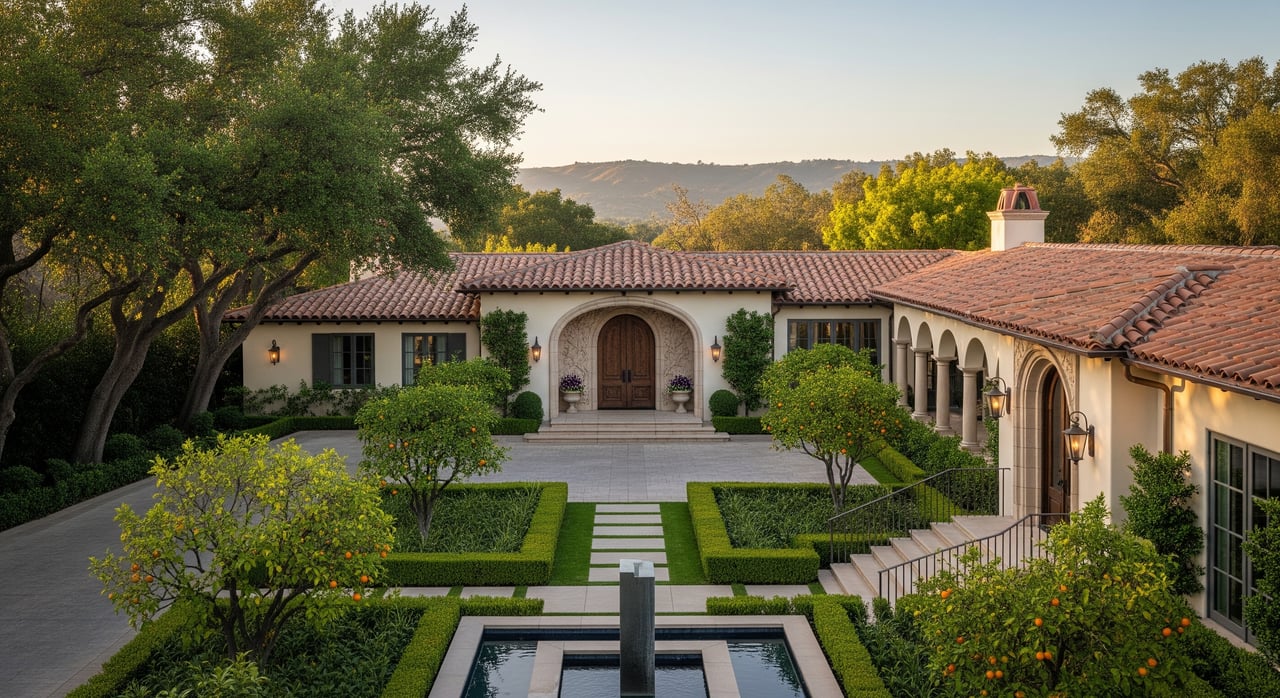
Professional visuals are essential. Request high-resolution interior photography with HDR, plus a twilight exterior image that captures the mood of the property at golden hour. Drone images can show lot size and setting, as long as local rules and privacy are respected. Add a high-quality floor plan, a 3D tour, and a narrated video walkthrough to reach out-of-area buyers.
Prepare a bespoke property brochure, a dedicated property website or landing page, and targeted social or video campaigns. These assets help buyers understand your home’s unique features before they set foot inside.
Marketing that reaches real buyers
Your listing should appear in CRMLS and feed into luxury-focused channels through your agent’s networks. Strong agents also leverage private broker networks, curated open houses by invitation, and mid-week broker tours. Targeted outreach to relocation contacts and high-net-worth audiences increases qualified exposure.
International reach can matter for certain properties, but start with where your likely buyers already live and work. A focused plan outperforms a broad, generic blast.
Showings, security, and privacy
Many Villa Park sellers prefer private, appointment-only showings over public open houses. Broker opens can create early professional buzz without crowding your home.
For security, remove valuables and personal identifiers, and ensure smart locks or alarms are set properly. For higher-profile situations, your agent can coordinate additional measures. It is reasonable to request pre-approval letters or proof of funds before scheduling private showings to keep the focus on qualified buyers.
Consider whether a confidential or pocket listing fits your priorities. These can protect privacy, but they reduce market exposure and may limit competitive bidding. Weigh privacy against the potential for stronger offers.
Offers and negotiation, what to expect
Expect to see pre-approval letters, proof of funds, and sometimes escalation clauses. Jumbo financing can extend timelines, while cash buyers often expect price or terms advantages. Sellers often prefer stronger qualifications and clean terms, but keep an eye on appraisal and financing contingencies.
Be ready to negotiate repairs, credits, or both. Pre-listing inspections can lower the risk of surprises by identifying issues early. If appraisal risk is a concern, discuss options such as appraisal gap coverage or pricing strategies that support defensible value.
Disclosures, costs, and taxes
Plan ahead for common California disclosures and documents. You will likely prepare a Transfer Disclosure Statement, Natural Hazard Disclosure statement where applicable, and a Lead-Based Paint disclosure if your home was built before 1978. If your property is part of an HOA, gather the required HOA documents for buyer review. Include records of known material defects, major repairs, service logs, and permits for any remodeled areas.
Typical seller costs can include broker commissions, escrow and title fees, transfer taxes, repairs, and concessions. Commission structures vary, and total commission often falls in the 5 to 6 percent range, which is negotiable.
For potential taxes, the federal primary-residence exclusion allows up to $250,000 for single filers and up to $500,000 for married filing jointly, subject to eligibility rules. A 1031 exchange may defer taxes for investment properties, not most owner-occupied homes. Always consult a tax advisor for your specific plan and California state implications.
Your 6–12 month timeline
Use this simple roadmap to stay organized from first conversation to closing day.
6–12 months out: Interview luxury-experienced listing agents, review portfolios and marketing plans, and align on price strategy. Audit major systems such as roof, HVAC, pool, and electrical to decide on repairs or credits. Start decluttering and plan your staging approach.
2–3 months out: Complete repairs and light updates, and pull permits for completed work if needed. Hire a stager and schedule installation. Refresh landscaping and tackle a deep clean. Gather documents such as permits, service records, warranties, and any HOA materials.
2–4 weeks out: Finalize staging. Book professional photography, drone, 3D tour, and a twilight shoot. Prepare your property website, brochure, and targeted ad plan. Coordinate a broker open and preview days for top buyer agents.
Launch and contract: Manage the showing schedule and qualification checks. Evaluate offers with attention to appraisal and jumbo financing terms. Consider appraisal gap solutions or contingency structures that protect your price.
Escrow to closing: Expect 30 to 45 days for standard escrows, and 45 to 60 days or more for complex or jumbo-financed deals. Coordinate inspections, appraisal, and the final walk-through. Complete escrow items and sign closing documents.
Questions to vet your agent
Use these questions to confirm your agent’s luxury experience and plan.
- How many Villa Park or nearby luxury homes have you sold in the past 24 months, and what were the outcomes versus list price and days on market?
- What is your full marketing plan for a Villa Park luxury property, including digital, print, broker networks, and premium placements?
- Do you use professional staging and top-tier photography, and can you share before and after examples and expected costs?
- How will you manage privacy and security during showings, and do you require ID or broker verification?
- How do you determine list price when comps are scarce, and do you recommend a pre-listing appraisal?
- What are my expected closing costs, and can you provide a realistic net proceeds estimate based on current market data?
- Can you share references from recent luxury sellers?
Ready to sell in Villa Park?
If you want a tailored plan that respects your privacy and protects your price, you are in the right place. Monarch Home Group offers senior-led strategy, concierge coordination, and modern marketing designed for Villa Park’s luxury market. Connect with Stephanie Rezac to get your free market valuation and a clear plan from prep to closing.
FAQs
How is selling in Villa Park different from larger OC cities?
- Villa Park has limited inventory and larger lots, so each listing targets a narrow set of qualified buyers and must showcase privacy, outdoor living, and turnkey condition.
What price range counts as luxury in Villa Park?
- Luxury is relative to current MLS activity and buyer thresholds, so your agent should position your home within the right price band based on recent comps and features.
How do jumbo loans affect my sale timeline?
- Jumbo loans often require stricter underwriting and more time, so plan for longer appraisal and financing periods compared to standard loans.
Should I complete pre-listing inspections?
- Yes, pre-listing inspections help identify issues early, support your price, and can streamline negotiations by reducing surprises in escrow.
Are open houses necessary for a luxury home?
- Not always; many luxury sellers prefer private, appointment-only showings and broker opens to balance exposure with privacy and security.
What disclosures do California sellers typically provide?
- Expect a Transfer Disclosure Statement, Natural Hazard Disclosure as applicable, Lead-Based Paint disclosure for pre-1978 homes, HOA documents if applicable, and records of known issues and permitted work.